


Showing posts with label Foods. Show all posts
Showing posts with label Foods. Show all posts
Filipino Drinks and Cocktails
Alcoholic
There are a wide variety of alcoholic drinks in the diet. This includes brandy as Emperador Brandy is the local favorite. And also variations of them like Brandy-Iced Tea Powder a popular cocktail and a part of several cocktails of liqueurs and juice powders; and Brandy-Grape Juice Powder. Other different alcoholic beverages include rum as Tanduay is the local favorite. Another choice could be serbesa which is a translation for beer. The most popular choices in restaurants and bars are San Miguel Beer, Red Horse Beer and San Mig Light.
Several gins both local varieties like Ginebra San Miguel (as well as GSM Blue and GSM Premium Gin) and the "London Dry" imported types like Gilbey's are consumed. Other variations include Gin-Bulag which literally translates to "gin-blind." It is said that consuming amounts of it will make one blind; Gin-Pineapple Juice Powder, any kind of gin mixed with pineapple juice; Gin-Pomelo Juice Powder, any kind of gin mixed with pomelo juice; Gin-Guy Juice Powder, any kind of gin mixed with guyabano also known as soursop juice; Lambanog is a type of hard liquor made from distilled coconut extract.
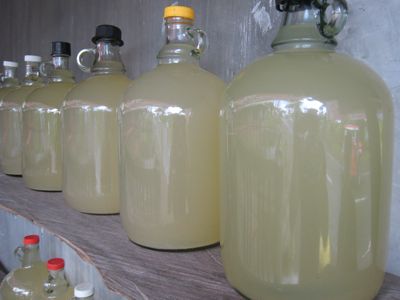
Tuba (or toddy) is a type of hard liquor made from fresh drippings extracted from a cut young stem of palm. The cutting of the palm stem usually done early in the morning by a mananguete, a person whose profession involves climbing palm trees and extracting the "tuba" to supply to customers later in the day. The morning accumulated palm juice or drippings from a cut stem is then harvested by noon then brought to buyers then prepared for consumption. Sometimes this is being done twice a day so that there are two harvests of tuba in a day occurring first at noon-time and later in the late-afternoon. Normally, tuba has to be consumed right after the mananguete brings it over or it becomes too sour to be consumed as a drink so that any remaining unconsumed tuba in the day is being stored in jars for several days to become vinegar.

Some shakes that are included in a Filipino diet are fresh mango shake consisting of ripe mangoes blended with milk, ice, and sugar; fruit shakes similar to milkshakes but only contain fruit or flavoring (usually containing Evaporated or Condensed Milk)crushed ice, Evaporated or Condensed Milk, and fruits like Strawberry (which is native in Baguio for it's cold climate), Melon, Papaya, Avocado, Watermelon, and the popular Mango to name a few but has rare fruits like Durian.

Other chilled drinks include gulaman at sago a flavored iced-drink with agar gelatin and sago pearls with banana extract is added to the accompanying syrup; fresh buko juice drink from a young coconut where the coconut is penetrated to allow straw into the membrane allowing a person to drink its juice later opened afterwards to scrape and eat its tender flesh, which a variation of this is made out of coconut juice, scraped coconut flesh, sugar, and water; kalamansi juice juiced Philippine limes sweetened with honey, syrup or sugar; and other tropical fruit drinks that includes dalandan (green mandarin), suha (pomelo), piña (pineapple), banana, and guyabano (soursop). Oranges, apples, grapes, and mangoes are also preferred.
A different class off diet involving the use of shaved ice includes halo-halo which is a dessert featuring a wide variety of sweet ingredients with shredded ice, topped with sugar and milk; saba con yelo which is shaved ice served with milk and minatamis na saging ripe plantains chopped, and caramelized with brown sugar; and mais con yelo which is shaved ice served with steamed corn kernels, sugar, and milk.
Several gins both local varieties like Ginebra San Miguel (as well as GSM Blue and GSM Premium Gin) and the "London Dry" imported types like Gilbey's are consumed. Other variations include Gin-Bulag which literally translates to "gin-blind." It is said that consuming amounts of it will make one blind; Gin-Pineapple Juice Powder, any kind of gin mixed with pineapple juice; Gin-Pomelo Juice Powder, any kind of gin mixed with pomelo juice; Gin-Guy Juice Powder, any kind of gin mixed with guyabano also known as soursop juice; Lambanog is a type of hard liquor made from distilled coconut extract.
Tuba (or toddy) is a type of hard liquor made from fresh drippings extracted from a cut young stem of palm. The cutting of the palm stem usually done early in the morning by a mananguete, a person whose profession involves climbing palm trees and extracting the "tuba" to supply to customers later in the day. The morning accumulated palm juice or drippings from a cut stem is then harvested by noon then brought to buyers then prepared for consumption. Sometimes this is being done twice a day so that there are two harvests of tuba in a day occurring first at noon-time and later in the late-afternoon. Normally, tuba has to be consumed right after the mananguete brings it over or it becomes too sour to be consumed as a drink so that any remaining unconsumed tuba in the day is being stored in jars for several days to become vinegar.

Shakes
Some shakes that are included in a Filipino diet are fresh mango shake consisting of ripe mangoes blended with milk, ice, and sugar; fruit shakes similar to milkshakes but only contain fruit or flavoring (usually containing Evaporated or Condensed Milk)crushed ice, Evaporated or Condensed Milk, and fruits like Strawberry (which is native in Baguio for it's cold climate), Melon, Papaya, Avocado, Watermelon, and the popular Mango to name a few but has rare fruits like Durian.

Chilled Drinks
Other chilled drinks include gulaman at sago a flavored iced-drink with agar gelatin and sago pearls with banana extract is added to the accompanying syrup; fresh buko juice drink from a young coconut where the coconut is penetrated to allow straw into the membrane allowing a person to drink its juice later opened afterwards to scrape and eat its tender flesh, which a variation of this is made out of coconut juice, scraped coconut flesh, sugar, and water; kalamansi juice juiced Philippine limes sweetened with honey, syrup or sugar; and other tropical fruit drinks that includes dalandan (green mandarin), suha (pomelo), piña (pineapple), banana, and guyabano (soursop). Oranges, apples, grapes, and mangoes are also preferred.
A different class off diet involving the use of shaved ice includes halo-halo which is a dessert featuring a wide variety of sweet ingredients with shredded ice, topped with sugar and milk; saba con yelo which is shaved ice served with milk and minatamis na saging ripe plantains chopped, and caramelized with brown sugar; and mais con yelo which is shaved ice served with steamed corn kernels, sugar, and milk.
Popular Filipino Dishes

Desserts
Filipinos cook a wide variety of sweet desserts and snacks. A Filipino cookbook includes several rice based deserts. One famous dessert is bibingka, a hot rice cake optionally topped with a pat of butter, slices of kesong puti (white cheese), itlog na maalat (salted duck eggs), and sometimes grated coconut. There is also glutinous rice sweets called biko made with sugar, butter, and coconut milk. Another brown rice cake is kutsinta. Puto is another well known example of sweet steamed rice cakes prepared in many different sizes and colors. Sapin-sapin are three-layered tricolored sweets made with rice flour, purple yam, and coconut milk with its gelatinous appearance.
Halo-halo can be described as a cold dessert made with shaved ice, milk and sugar with typical ingredients including coconut, halaya (mashed purple yam), caramel custard, plantains, jackfruit, red beans, tapioca and pinipig. Sorbetes is similar to ice cream but made primarily with coconut milk instead of dairy. It is colloquially known in the Philippines as "dirty ice cream."
Requiring laborious attention, some spring rolls for example lumpia (of Chinese origin) are very popular. Lumpia can be described as fried spring rolls filled with cooked ground meat and vegetables. In one such variation, lumpiang shanghai are prepared like cigars but filled with a combination of minced pork and shrimp. Lumpia is often accompanied by either sweet and sour sauce or vinegar based condiment. Lumpia has been commercialized in frozen food form and though various restaurants. Similarly, turon could be described as a fruit version using sweetened bananas (plantains) and sometimes jackfruit fried in an eggroll or phyllo wrapper and sprinkled with sugar. All in all, both are consumed at leisurely pace.
There are other Filipino deserts and snacks. As a dessert, leche flan is a type of caramel custard made with eggs and milk similar to the French creme caramel and Spanish flan; mamon is a dense buttery sweet sponge cake; palitaw are rice patties covered with sesame seeds, sugar, and coconut; pitsi-pitsi which are cassava patties coated with cheese or coconut; and tibok-tibok is based on a carabao milk as a de leche (similar to maja blanca). As a snack, binatog is created with corn kernels with shredded coconut. Packaged snacks wrapped in banana or palm leaves then steamed, suman are made from a sticky rice.

Street Foods
Filipino's have their own repertoire of street food. Some of these are skewered on bamboo sticks like a shish kebab, which recipes mimic this presentation closely. One such example is banana-cue that consists of a whole plantain skewered on a stick, rolled in brown sugar, and fried. Kamote-cue is a peeled sweet potato skewered on a stick, covered in brown sugar and then fried. Fishballs or squidballs are skewered on bamboo sticks then dipped in a sweet or savory sauce to be commonly sold frozen in markets and peddled by street vendors.
As a warm soupish like snack, taho is made up of soft beancurd which is the taho itself, dark caramel syrup, and tapioca pearls with cold (dark syrup) and flavored with chocolate or strawberry. The pearls used come in various sizes and proportion and stand out. It been served by many street vendors who often yell out "taho" in the neighborhood like Americans who yell out hotdogs and peanuts in sporting events.
Egg street foods include kwek-kwek that are soft boiled quail eggs dipped in batter that is usually dyed orange then deep fried. In contrast, tokneneng is larger but similar to kwek-kwek in that it is made with chicken eggs. Filipino egg snacks include balut that is essentially boiled pre-hatched poultry eggs, usually duck or chicken. These fertilized eggs are allowed to develop until the embryo reaches a pre-determined size and are then boiled. There is also another egg dish calle d penoy that is fertilized duck eggs. Like taho, balut is advertised vocally. Consuming balut by some involves sucking out the juices.
Other street food include betamax that is roasted dried chicken blood served cut into and served as small cubes for which it received its name in resemblance to a Betamax tape. Isaw, is another street food, which is seasoned hog or chicken intestines. Then there is Pinoy Fries which are fries made from sweet potatoes with the same tenderness of french fries but take on a more rounder presentation in contrast to stringy appearance in french fries.

Pastries
In a typical Filipino bakery, pandesal and ensaimada are often sold. Pandesal came from the Spanish pan de sal (literally, bread of salt) and is a ubiquitous breakfast fare, normally eaten with (and sometimes even dipped in) coffee. It typically takes the form of a bread roll, and is usually baked covered in bread crumbs. Contrary to what its name implies, pandesal is not particularly salty as very little salt is used in baking it. Soft, chewy pandesal is much preferred to a crusty one, a holdover from the days when cheap, low-grade flour was used to cut costs. Ensaimada, also spelled as ensaymada from the Spanish ensaimada, has been altered much to suit the Philippine palate producing a pastry with a soft and chewy texture. It can be made with a variety of fillings such as ube (purple yam) and macapuno and often topped with butter, sugar and shredded cheese. Other food sold in Filipino bakeries include pan de coco a sweet bread roll filled with shredded coconut mixed with m olasses. Other breads like putok, which literally means "explode," refers to a small hard bread roll whose cratered surface is glazed with sugar.
There are also rolls like pianono which is a chiffon roll flavored with different fillings. In a different roll, brazo de mercedes is similar to a rolled cake or jelly roll and is made from a sheet of meringue rolled around a custard filling. Similar to the previous dessert, it takes on a layered presentation instead of being rolled and typically features caramelized sugar and nuts for sans rival. Similar to both the two previous desserts mentioned, it has different texture due to the addition of sweetened bread crumbs for silvañas. In a more delicate roll, barquillos takes on as sweet thinly crunchy wafers rolled into tubes that can be sold hollow or filled with polvoron (sweetened and toasted flour mixed with ground nuts).
Some Filipino pies, for example the egg pie is a mainstay in local bakeries, serving as a type of pie with a rich egg custard filling. It is typically baked so that the exposed custard on top is browned. The other pie, buko pie, is made with a filling made from buko (young coconut meat) and dairy. Mini past ries like turrones de dasuy are made up of cashew marzipan wrapped with a wafer made to resemble a candy wrapper but take on a miniature look of a pie in a size of about a quarter.
There are hard pastries like biskotso that feature as a crunchy, sweet, twice-baked bread. Another baked crunchy food is sinipit which is a sweet pastry covered in a crunchy sugar glaze, made to resemble a length of rope.
On the softer side, mamon is a very soft chiffon-type cake sprinkled with sugar named from a slang S panish term for breast. A soft cake like crema de fruta which is a more elaborate sponge cake, topped in succeeding layers of cream, custard, candied fruit, and gelatine. Related to sponge cakes is mamoncillo which generally refers to slices taken from a large mamon cake, but it is unrelated to the fruit of the same name. Sandwich pastries like inipit are made with two thin layers of chiffon sandwiching a filling of custard that is topped with butter and sugar.
Stuffed based foods include siomai similar to the Chinese shaomai and siopao similar to the Chines e baozi but larger and steamed bunned. The filling is often mixed with a sweet sauce made from soy sauce and sugar. Another dumpling empanada are pastries filled with savory-sweet meat fil ling. Typically made with ground meat and raisins, it can be deep fried or baked.

Main Course
There are several styles of stew dishes cooked by Filipinos. Some well-known stews are kare-kare and dinuguan. With kare-kare, also known as "peanut stew," the oxtail or ox tripe is the main ingredient that is stewed with vegetables in a peanut-based preparation. It is typically served with alamang (fermented shrimp paste). With dinuguan, it is created from pork blood, entrails, and meat and sometimes seasoned with red peppers, usually thai peppers. Mechado can be i ncluded in this list using pork cooked in tomato sauce, minced garlic, and onions, but goat meat can be used instead which would be then be turned into kaldereta. Varieties using other meats such as dog meat also exist. In afritada, the use pork or beef is simmered into a tomato sauce, typically with peas and carrots and of course potatoes in similar cut size to the pork. Different vinegar-based stews using milkfish, pork hocks, or even leftover lechon are called paksiw. Although paksiw is made using the same ingredients as adobo, it is prepared differently in that it is not stirred as it simmers, resulting in a different flavor as the vinegar is cooked first. On the sweetness scale, pochero makes use of beef and banana or plantain slices simmered in tomato sauce as its name is derived from the Spanish cocido.
Foods with strong green leafy appearance are dinengdeng a dish consisting of malunggay leaves and slices of bittermelon, and pinakbet which is stewed in vegetables heavily flavored with bagoon g. In balance to color, the traditional tinola has a strong chicken presence accompanied by a ginge r soup cooked with whole chicken pieces, green papaya slices with chili, spinach, or malunggay leaves. The large chunks of the chicken in this dish contrast to the small pieces found in can of chicken noodle soup. On the other hand, simuwam involves similar ingredients and cooking methods as tinola, but is specifically used to refer to variants made with fish or other seafood.
Filipinos have their own styles of soups. In one recipe, binacol is a warm chicken soup cooked with coconut water and served with strips of coconut meat. In a well-known soup, La Paz Batchoy is garnished with pork innards, crushed pork cracklings, chopped vegetables, and topped with a raw egg. There is another dish with the same name that uses misua, beef heart, kidneys and intestines, but does not contain eggs or vegetables. In mami, the noodle soup is made from chicken, beef, pork, wonton dumplings, or intestines (called laman-loob). It was first prepare d by Ma Mon Luk. Filipinos have a modified version of chicken noodle soup called sotanghon, consisting of cellophane noodles, chicken, and sometimes mushrooms. In another soup, sinigang is typically made with either pork, beef, or seafood and made outstandingly sour with tamarind or other suitable ingredients. Some seafood variants can be made sour by the use of guava fruit or miso. Sinigang made from chicken is commonly referred to as sinampalukan.
Two dishes with strong noodle appearance are pancit and ispageti. Pancit can be described as a dish primarily consisting of noodles, vegetables, and slices of meat or shrimp with variations primarily distinguished by the type of noodles used. Some pancit, such as mami, molo, and la Paz-styled batchoy, are noodle soups while the "dry" varieties are comparable to chow mein in preparation. Then there is "Spaghetti" or "ispageti" in the local colloquy that is a modified version of Spaghetti Bolognese, a drastically simplified version of the Italian dish. It is made with banana k etchup instead of tomato sauce, sweetened with sugar and topped with hot dog slices.
There are several rice porridges that Filipino cooks create. One popular dish is arroz caldo which is a rice porridge cooked with chicken, ginger and sometimes saffron, garnished with spring onion s (chives) and coconut milk to make a type of gruel. Arroz caldo is the chicken version of lugaw that is a variant of the Chinese congee usually cooked with either tripe, pork, or beef, with seafood rarely being used. Another variant is goto which is an arroz caldo made with ox tripe. There is this other rice porridge called champorado which is sweet and flavored with chocolate, and would be paired with tuyo or daing.
Two other rice based dishes include arroz valenciana which is a Filipino variation of the Spanish paella an d thought to be named after the Spanish city Valencia. There is also kiampong a type of fried topped with pork pieces, chives and peanuts. It can be found in Chinese restaurants in Binondo and Manila.
A type of seafood salad known as kinilaw is made up of raw seafood such as fish or shrimp cooked only by steeping in local vinegar, sometimes with coconut milk, onions, spices and other local ingredients. It is comparable to the Peruvian ceviche.
Dominating in meatiness and toughness and chewiness, Filipinos dine on tocino, longanisa, and bistek. Tocino is a sweetened cured meat either chicken or pork and is marinated and cured for a n umber of days before being fried. Longanisa is a sweet or spicy sausage, typically made from pork though other meats can also be used, and are often colored red traditionally through the use of the anatto seed although artificial food coloring is also used to cut costs. Bistek, also known as "Filip ino Beef Steak," consists of thinly sliced beef marinated in soya sauce and kalamansi and then fried on a skillet or griddle that is typically served with onions. In another pork diet, crispy pata pork knuckles (the pata) are marinated in garlic flavored vinegar then deep fried until crispy and golden brown, with other parts of the pork leg prepared in the same way.
Lechon manok is a variant of the rotisserie chicken. Available in most major Filipino supermarkets, hole-in-the-wall stands, or restaurant chains (Andok's, Baliwag, Toto's), it is typically served with "sarsa" (sauce) made from mashed pork liver, starch sugar and spices.

Celebrity Food
In Filipino celebrations, often lechón serves as the centerpiece of the dinner table. It is usually a whole roasted suckling pig, but piglets (lechonillo, or lechon de leche) or cattle calves (lechong baka) can also be prepared in place to the popular adult pig. It is typically served with a "sarsa" (sauce) made from mashed pork liver, starch, sugar and spices or a variation that does not include pork liver.
More common in celebrations than in everyday home, lumpiang sariwa, sometimes referred to as 'fresh lumpia', are fresh spring rolls that consists of a soft crepe wrapped around a filling that can include strips of kamote (sweet potato), jicama, bean sprouts, green beans, cabbage, carrots and meat (often pork). It can be served warm or cold and typically with a sweet peanut and garlic sauce. Ukoy is shredded papaya combined with small shrimp (and occasionally bean sp routs) and fried to make shrimp patties. It is often eaten with vinegar seasoned with garlic, salt and pepper. Both lumpiang sariwa and ukoy are often accompanied together in Filipino parties.
Available mostly during the Christmas season and sold in front of churches along with bibingka, puto bumbong is a style of purple-yam flavored puto.

Side Dishes
Not eaten as the main course but rather a side dish, the process of creating itlog na pula involves duck eggs that have been cured in brine or a mixture of clay-and-salt for a few weeks, providing for its saltiness, and then later hard boiled with their shells to be later dyed with red food coloring, hence its name, to distinguish them from chicken eggs before they are sold over the shelves. There is also another food called atchara which is pickled papaya strips.
Other foods are used as food complements. One could use nata de coco which is a chewy, translucent, jelly-like food product produced by the bacterial fermentation of coconut water to serve with pandesal. One could also use kesong puti a soft white cheese made from carabao's milk but cow's milk is also used in most commercial variants for serving in a sandwich.

Exotic Foods
Some exotic dishes in the Filipino diet are camaro which are field crickets cooked in soy sauce, salt, and vinegar as it is popular in Pampanga; papaitan which is goat or beef innards stew flavored with bile that gives it a bitter (pait) taste; Soup No. 5 (Also spelled as "Soup #5") which is a soup made out of testicles which can be found in restaurants in Ongpin St., Binondo, Manila; asocena or dog meat popular in the Cordillera Administrative Region; and pinikpikan chicken where the chicken has been beaten to death to tenderize the meat and to infuse it with blood. It is then burned in fire to remove its feathers then boiled with salt and pork. The act of beating the chicken in preparation of the dish apparently violates the Philippine Animal Welfare Act 1998.
Filipino Typical Meal
Filipino cuisine is distinguished by its bold combination of sweet, sour, salty and spicy flavors, though most dishes are not typically highly spiced. While other Asian cuisines (e.g. Cantonese) may be known for a more subtle delivery and presentation, Filipino palates prefer a sudden influx of flavor. Filipino cuisine is often delivered in a single presentation, giving the participant a simultaneous visual feast, an aromatic bouquet, and a gustatory delight.
Snacking is normal, a Filipino may eat five 'meals' in a day. Dinner, while still the main meal, is smaller than other countries. Usually, either breakfast or lunch is the largest meal.
Main dishes include sinigang (pork, fish, or shrimp in tamarind soup and vegetables), bulalo (beef soup – commonly with marrow still in the beef bone – with vegetables), kare-kare (oxtail and vegetables cooked in peanut sauce), crispy pata (deep fried hog hoofs with hock sometimes included), mechado (pork cooked in tomato sauce), pochero (beef or pork cooked in tomato sauce with bananas and vegetables), kaldereta (beef or goat cooked in tomato sauce), fried or grilled chicken/porkchops/fish/squid/cuttlefish. Dinner may be accompanied by stir-fried vegetables, atchara (shredded and pickled papaya), bagoong or alamang. Desserts are usually made only for special occasions. The most popular desserts include leche flan, buko pandan (slivers of young coconut with cream and pandan flavor) or gulaman (jello).
Some dishes rely on vinegar for flavoring. Adobo is popular not solely for its splendid flavor, but also for its ability to remain fresh for days, and even improves its flavor with a day or two of storage. Tinapa is a smoke-cured fish while tuyo, daing, and dangit are corned sun-dried fishes popular for its ability not to spoil for weeks even without refrigeration.
Due to western influence, food is often eaten using utensil, e.g., forks, knives, spoons. Filipinos use their spoons to cut through meat instead of knives used in other western cultures. The traditional way of eating is with the hands, especially dry dishes such as inihaw or prito. The diner will take a bite of the main dish, then eat rice pressed into a ball with his fingers. This practice, known as kamayan, is rarely seen in urbanized areas. However, Filipinos tend to feel the spirit of kamayan when eating amidst nature during out of town trips, beach vacations, and town fiestas.
A traditional Filipino breakfast might include pan de sal (bread), kesong puti (white cheese), champorado (chocolate rice porridge), sinangag (fried garlic rice), meat, such astapa, longganisa, tocino, karne norte, or fish such as daing na bangus meaning salted and dried milkfish; or eggs of itlog na pula (salted duck eggs). Coffee is also commonly drunk, particularly kapeng barako, a variety of coffee produced in the mountains of Batangas noted for having a strong flavor.
Combinations dishes may include kankamtuy, a combination of kamatis (tomatoes), kanin (rice) and tuyo (dried fish), or silogs --meat most often served with sinangág (fried rice) and itlog (egg) to be consumed. The three most commonly seen silogs are tapsilog (having tapa as the meat portion), tocilog (having tocino as the meat portion), and longsilog (having longganisa as a meat portion). Other silogs exist including hotsilog (with a hot dog), bangsilog (with bangus/milkfish), dangsilog (with danggit/rabbitfish), spamsilog (with spam), adosilog (with adobo), chosilog (with chorizo), chiksilog (with chicken), cornsilog (with canned corned beef), litsilog (with lechon/litson), pakaplog (with pan de sal and kape).
Merienda is an afternoon snack, similar to the concept of afternoon tea. If the meal is taken close to dinner, it is called merienda cena, and may serve instead of dinner.
Filipinos have a number of options to take with their traditional kape (coffee): breads (pan de sal, ensaymada, (buttery sweet rolls with cheese), and empanada (savory pastries stuffed with meat)), rice cakes (kakanin) like kutsinta, sapin-sapin, palitaw, biko, suman, bibingka, and pitsi-pitsi are served or sweets such as hopia (pastries similar to mooncakes filled with sweet bean paste) and bibingka (rich rice cakes desserts). Savory dishes might include pancit canton (stir-fried noodles), palabok (rice noodles with a shrimp-based sauce), tokwa't baboy (fried tofu with boiled pork ears in a garlic-flavored soy sauce and vinegar sauce), puto (steamed rice flour cakes), and dinuguan (a spicy stew made with pork blood).
Also, dim sum and dumplings brought over by the Fujianese people have been given a Filipino touch are often eaten for merienda. Also famous are the different street foods sold mostly skewered on bamboo sticks: squid balls, fish balls and others.
Pulutan is a term roughly analogous to the English term "finger food". It originally was a snack accompanied with liquor or beer but has found its way into Philippine cuisine as appetizers or, in some cases, main dishes, as in the case of sisig.
Deep fried dishes include chicharon that are pork rinds that have been salted, dried, then fried; chicharong bituka or chibab pig intestines that have been deep fried to a crisp; chicharong bulaklak or chilak similar to chicharong bituka has a bulaklak or flower appearance of the dish made from mesenteries of pig intestines; chicken skin or chink that has been deep fried until crispy.
Some grilled foods include Barbecue Isaw, chicken or pig intestines marinated and skewered; barbecue tenga pig ears are marinated and skewered; pork barbecue which is a satay marinated in a special blend; Betamax that is salted solidified pork blood which is skewered; Adidas which is grilled or sautéed chicken feet. And there is Sisig a popular pulutan made from the pork's cheek skin, ears and liver that is initially boiled, then grilled over charcoal, then minced and cooked with chopped onions, chillies, and spices.
Smaller snacks such as mani (or peanuts) often sold in the Philippines by street vendors boiled in the shell available salted or spiced or flavored with garlic. Another snack is Kropeck which is just fish crackers.
The fried Tokwa't Baboy is tofu fried with boiled pork then dipped in a garlic-flavored soy sauce or vinegar dip that is also served as a side dish to pancit luglog or pancit palabok.
Snacking is normal, a Filipino may eat five 'meals' in a day. Dinner, while still the main meal, is smaller than other countries. Usually, either breakfast or lunch is the largest meal.
Main dishes include sinigang (pork, fish, or shrimp in tamarind soup and vegetables), bulalo (beef soup – commonly with marrow still in the beef bone – with vegetables), kare-kare (oxtail and vegetables cooked in peanut sauce), crispy pata (deep fried hog hoofs with hock sometimes included), mechado (pork cooked in tomato sauce), pochero (beef or pork cooked in tomato sauce with bananas and vegetables), kaldereta (beef or goat cooked in tomato sauce), fried or grilled chicken/porkchops/fish/squid/cuttlefish. Dinner may be accompanied by stir-fried vegetables, atchara (shredded and pickled papaya), bagoong or alamang. Desserts are usually made only for special occasions. The most popular desserts include leche flan, buko pandan (slivers of young coconut with cream and pandan flavor) or gulaman (jello).
Some dishes rely on vinegar for flavoring. Adobo is popular not solely for its splendid flavor, but also for its ability to remain fresh for days, and even improves its flavor with a day or two of storage. Tinapa is a smoke-cured fish while tuyo, daing, and dangit are corned sun-dried fishes popular for its ability not to spoil for weeks even without refrigeration.
Due to western influence, food is often eaten using utensil, e.g., forks, knives, spoons. Filipinos use their spoons to cut through meat instead of knives used in other western cultures. The traditional way of eating is with the hands, especially dry dishes such as inihaw or prito. The diner will take a bite of the main dish, then eat rice pressed into a ball with his fingers. This practice, known as kamayan, is rarely seen in urbanized areas. However, Filipinos tend to feel the spirit of kamayan when eating amidst nature during out of town trips, beach vacations, and town fiestas.
Breakfast
A traditional Filipino breakfast might include pan de sal (bread), kesong puti (white cheese), champorado (chocolate rice porridge), sinangag (fried garlic rice), meat, such astapa, longganisa, tocino, karne norte, or fish such as daing na bangus meaning salted and dried milkfish; or eggs of itlog na pula (salted duck eggs). Coffee is also commonly drunk, particularly kapeng barako, a variety of coffee produced in the mountains of Batangas noted for having a strong flavor.
Combinations dishes may include kankamtuy, a combination of kamatis (tomatoes), kanin (rice) and tuyo (dried fish), or silogs --meat most often served with sinangág (fried rice) and itlog (egg) to be consumed. The three most commonly seen silogs are tapsilog (having tapa as the meat portion), tocilog (having tocino as the meat portion), and longsilog (having longganisa as a meat portion). Other silogs exist including hotsilog (with a hot dog), bangsilog (with bangus/milkfish), dangsilog (with danggit/rabbitfish), spamsilog (with spam), adosilog (with adobo), chosilog (with chorizo), chiksilog (with chicken), cornsilog (with canned corned beef), litsilog (with lechon/litson), pakaplog (with pan de sal and kape).
Merienda
Merienda is an afternoon snack, similar to the concept of afternoon tea. If the meal is taken close to dinner, it is called merienda cena, and may serve instead of dinner.
Filipinos have a number of options to take with their traditional kape (coffee): breads (pan de sal, ensaymada, (buttery sweet rolls with cheese), and empanada (savory pastries stuffed with meat)), rice cakes (kakanin) like kutsinta, sapin-sapin, palitaw, biko, suman, bibingka, and pitsi-pitsi are served or sweets such as hopia (pastries similar to mooncakes filled with sweet bean paste) and bibingka (rich rice cakes desserts). Savory dishes might include pancit canton (stir-fried noodles), palabok (rice noodles with a shrimp-based sauce), tokwa't baboy (fried tofu with boiled pork ears in a garlic-flavored soy sauce and vinegar sauce), puto (steamed rice flour cakes), and dinuguan (a spicy stew made with pork blood).
Also, dim sum and dumplings brought over by the Fujianese people have been given a Filipino touch are often eaten for merienda. Also famous are the different street foods sold mostly skewered on bamboo sticks: squid balls, fish balls and others.
Pulutan
Pulutan is a term roughly analogous to the English term "finger food". It originally was a snack accompanied with liquor or beer but has found its way into Philippine cuisine as appetizers or, in some cases, main dishes, as in the case of sisig.
Deep fried dishes include chicharon that are pork rinds that have been salted, dried, then fried; chicharong bituka or chibab pig intestines that have been deep fried to a crisp; chicharong bulaklak or chilak similar to chicharong bituka has a bulaklak or flower appearance of the dish made from mesenteries of pig intestines; chicken skin or chink that has been deep fried until crispy.
Some grilled foods include Barbecue Isaw, chicken or pig intestines marinated and skewered; barbecue tenga pig ears are marinated and skewered; pork barbecue which is a satay marinated in a special blend; Betamax that is salted solidified pork blood which is skewered; Adidas which is grilled or sautéed chicken feet. And there is Sisig a popular pulutan made from the pork's cheek skin, ears and liver that is initially boiled, then grilled over charcoal, then minced and cooked with chopped onions, chillies, and spices.
Smaller snacks such as mani (or peanuts) often sold in the Philippines by street vendors boiled in the shell available salted or spiced or flavored with garlic. Another snack is Kropeck which is just fish crackers.
The fried Tokwa't Baboy is tofu fried with boiled pork then dipped in a garlic-flavored soy sauce or vinegar dip that is also served as a side dish to pancit luglog or pancit palabok.
Cooking Methods in the Philippines
Guisado
sautéed with garlic, onions and tomatoesPinirito
fried or deep friedInihaw
grilled over charcoalsKinilaw
marinated in vinegar or kalamansi juice along with garlic, onions, ginger, tomato, peppersNilaga
boiled, sometimes with onions and black peppercornsSinigang
boiled with a tamarind basePinangat
boiled in salted water with tomatoesPinaksiw
cooked in vinegar and ginger or just add "all-purpose" sauceInadobo
cooked in soy sauce, vinegar and garlicGinataan
cooked with coconut milk
Subscribe to:
Posts (Atom)